Get Insulated Siding Installation
Insulated siding installation services help property owners improve energy efficiency, protect against weather damage, and enhance curb appeal through expert siding projects handled by local contractors.
Insulated siding installation is a practical upgrade for property owners seeking to enhance their building's energy efficiency and curb appeal. By adding insulation behind siding, homeowners can reduce heat transfer, leading to potential savings on heating and cooling costs. This service also offers a streamlined way to improve exterior durability and aesthetics, making it a popular choice for those considering remodeling or maintenance projects. Exploring options with experienced local contractors can help ensure the right solution is chosen to meet individual property needs.
For property owners in the area, comparing local service providers can provide valuable insights into available insulated siding options and installation practices. Engaging with experienced contractors allows for informed planning and ensures the work aligns with specific property requirements. Continuing to explore different options can lead to a well-informed decision that enhances both the functionality and appearance of a building.
- Insulated siding installation - needed when homeowners want to improve energy efficiency and reduce heating and cooling costs.
- Exterior siding upgrades - suitable for those seeking to enhance curb appeal and protect their home from weather elements.
- Home renovation projects - required when updating or modernizing a property's exterior for better insulation and appearance.
- Weatherproofing homes - essential for residents in areas prone to harsh weather conditions to prevent drafts and moisture intrusion.
- Energy-efficient home improvements - sought after by homeowners aiming to lower utility bills through better insulation solutions.
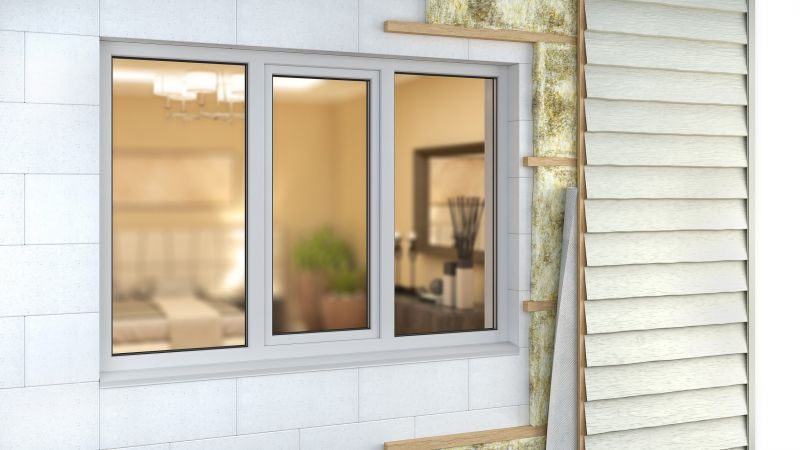
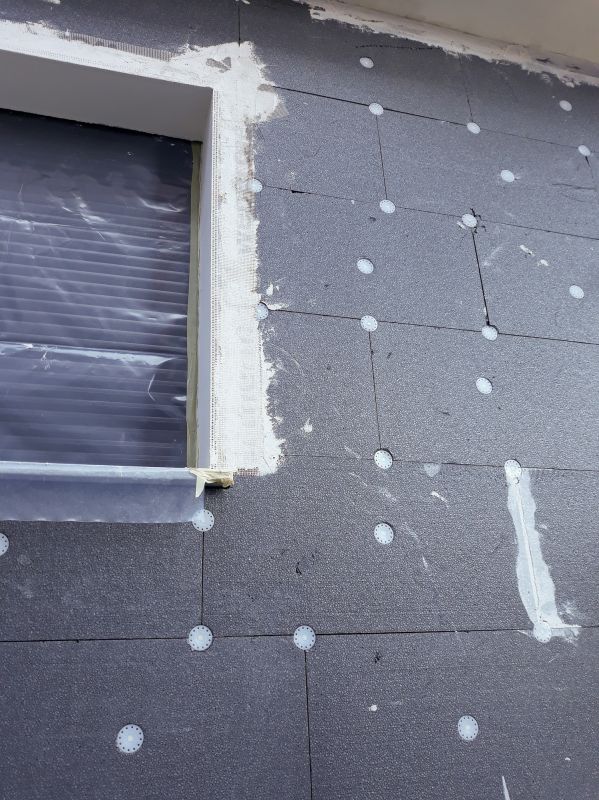
Insulated siding installation involves attaching specially designed siding materials that include built-in insulation to the exterior of a property. This service enhances the thermal barrier of a building, helping to keep indoor temperatures more consistent and reducing energy costs. The installation process typically includes removing existing siding, preparing the surface, and carefully applying the insulated panels or siding to ensure a secure fit. This upgrade not only improves energy efficiency but also provides a sleek, modern appearance to the exterior of a home or commercial building.
One of the primary problems that insulated siding helps address is energy loss through the walls. Older or poorly insulated exteriors can allow drafts and heat transfer, leading to higher utility bills and less comfortable indoor environments. Insulated siding acts as an additional layer of protection, reducing heat transfer and preventing cold spots in winter or heat gain during warmer months. It can also help to minimize noise infiltration from outside, creating a quieter indoor space. Property owners seeking to improve comfort and reduce energy expenses often turn to this service as a practical solution.
Insulated siding installation is commonly used on a variety of properties, including single-family homes, multi-family residences, and commercial buildings. It is especially popular in regions with extreme temperature fluctuations, where maintaining a stable indoor climate is a priority. The service is suitable for properties that have existing siding in poor condition, or for those looking to upgrade to a more energy-efficient exterior. Whether a building is relatively new or has been around for decades, insulated siding can be an effective way to enhance durability, appearance, and energy performance.
Homeowners or property managers who notice drafts, rising energy bills, or exterior damage may find insulated siding installation to be a beneficial upgrade. It is also a good option for those planning to improve curb appeal while addressing insulation concerns. Service providers can help determine the best type of insulated siding for specific property needs, ensuring the installation process is carried out properly. Connecting with local contractors experienced in insulated siding can provide the expertise needed to achieve a durable, energy-efficient exterior that adds value to the property.
The overview below groups typical Insulated Siding Installation projects into broad ranges so you can see how smaller, mid-sized, and larger jobs often compare in your area.
In many markets, a large share of routine jobs stays in the lower and middle ranges, while only a smaller percentage of projects moves into the highest bands when the work is more complex or site conditions are harder than average.
Smaller Repairs - Typical costs for minor insulation repairs or patching range from $250 to $600, covering simple fixes on existing siding. Most routine jobs fall within this middle range, with fewer projects reaching the higher end of the spectrum.
Partial Siding Replacement - Replacing sections of insulated siding usually costs between $1,000 and $3,000, depending on the size and complexity of the area. Larger or more intricate projects can push costs higher but remain less common.
Full Siding Installation - Complete siding replacement projects generally fall in the $5,000 to $15,000 range, influenced by the home's size and siding material choices. Many full installs are within this range, with some larger homes reaching above $20,000.
Custom or Large-Scale Projects - Extensive or custom insulated siding installations can exceed $20,000, especially for large properties or high-end materials. While these high-end projects are less frequent, they represent the upper tier of typical costs for complex jobs.
Actual totals will depend on details like access to the work area, the scope of the project, and the materials selected, so use these as general starting points rather than exact figures.
Exterior Wall Cladding - Local contractors experienced in installing various types of exterior wall coverings often have the skills necessary for insulated siding projects, including planning and surface preparation.
House Wrap Installation - Professionals who handle weather-resistant barriers and moisture barriers are familiar with the prep work involved in siding installation, ensuring proper insulation and protection.
Vinyl Siding Replacement - Siding specialists who replace or upgrade existing vinyl siding possess the expertise needed for insulated siding installation, including handling materials and ensuring proper fit.
Insulation Installation - Service providers skilled in adding or upgrading wall insulation can complement siding projects to improve energy efficiency and overall home comfort.
Exterior Painting and Finishing - Contractors experienced in finishing exterior surfaces understand surface preparation and sealing techniques, which are important for insulated siding longevity.
Home Exterior Renovations - General exterior renovation experts who work on siding, trim, and façade updates often have overlapping skills relevant to insulated siding installation projects.
When comparing service providers for insulated siding installation, it’s important to consider their experience with similar projects. Homeowners should look for local contractors who have a proven track record of successfully completing siding work comparable to what is needed. Inquiring about the types of projects they have handled can provide insight into their familiarity with different siding materials and installation techniques, helping to ensure the chosen professional has the relevant expertise to meet specific project requirements.
Clear, written expectations are a key factor in selecting a reliable service provider. Homeowners should seek out contractors who provide detailed estimates and scope of work documents that outline the responsibilities, materials, and processes involved. This transparency helps prevent misunderstandings and ensures everyone is on the same page from the start. A reputable local contractor will be willing to communicate openly about what the project entails, including any potential challenges, so that expectations are realistic and well-defined.
Good communication and references from previous clients are essential indicators of a dependable local contractor. Homeowners can ask for references or reviews from past customers who have had similar siding projects completed. Listening to these experiences can reveal how effectively the contractor communicates, handles questions, and addresses concerns throughout the process. Building a rapport with service providers who are responsive and transparent can contribute to a smoother installation experience, providing confidence in their professionalism and reliability.
Property owners use Insulated Siding Installation services for practical projects around their homes and businesses. This guide focuses on everyday jobs and straightforward project options.
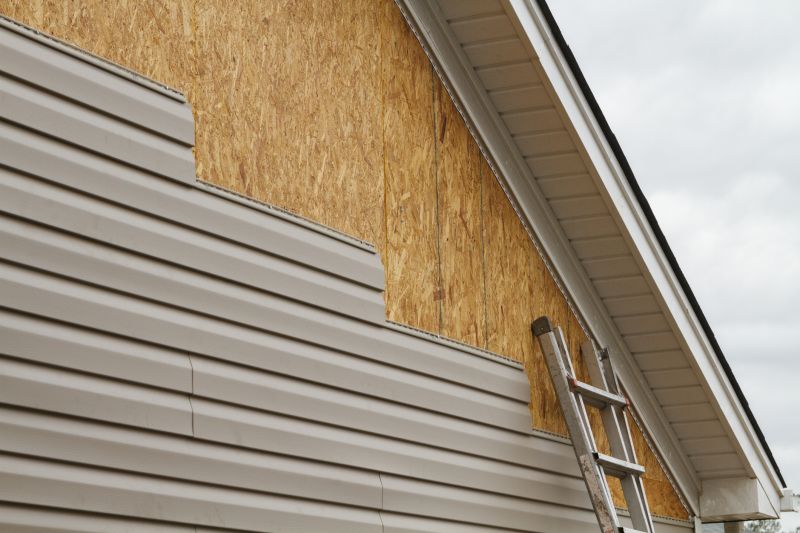
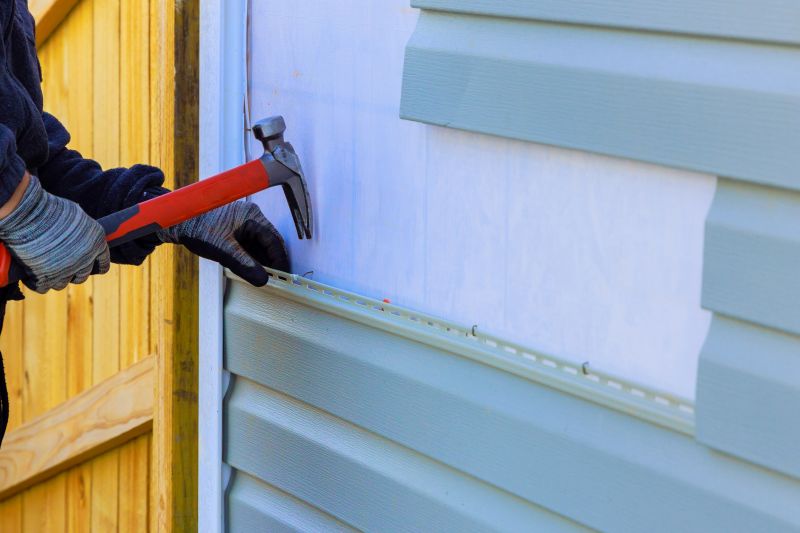
Insulated siding installation is often sought after by property owners dealing with older or poorly insulated exteriors. When walls are showing signs of wear, or energy bills seem higher than expected, local contractors can provide solutions to improve both the appearance and efficiency of a home. Homeowners may also look for this service after noticing drafts or uneven temperatures inside, as insulated siding can help create a more consistent indoor climate.
Additionally, property owners might consider insulated siding installation when preparing a home for resale or wanting to enhance curb appeal. Replacing or upgrading existing siding can make a significant difference in a home's exterior look, while also providing better insulation. Local service providers are available to handle these projects, offering options to boost energy savings and improve the overall value of the property.
What are the benefits of insulated siding installation? Insulated siding can improve energy efficiency, enhance curb appeal, and provide better insulation for the home.
How do local contractors install insulated siding? Skilled service providers typically prepare the existing surface, attach the insulated panels securely, and finish with proper sealing and trim for a polished look.
Is insulated siding suitable for all types of homes? Insulated siding can be installed on most residential exteriors, but it's best to consult with local contractors to determine suitability based on the home's structure and climate.
What materials are used in insulated siding? Insulated siding often combines durable vinyl or fiber cement with a layer of foam insulation for added thermal protection.
Can insulated siding be installed over existing siding? Yes, many service providers can install insulated siding over existing siding, provided the current surface is in good condition and suitable for overlay.
Enhancing Curb Appeal - Insulated siding installation can improve the exterior look of a home, making it more attractive for everyday enjoyment and property value.
Increasing Energy Efficiency - Property owners can benefit from better insulation, reducing heating and cooling costs during seasonal changes.
Upgrading Exterior Durability - Installing insulated siding helps protect walls from weather damage, making it suitable for homes in areas with harsh climates.
Customizing Home Styles - Local contractors offer a variety of siding options to match personal aesthetic preferences and architectural styles.
If you are thinking about Insulated Siding Installation for a property, this guide is meant to help you understand the work, the typical project types, and how different options might fit your plans.
When you are ready, you can use the quote form on this page to share a few details about your project. From there, local pros can review the basics and respond with options that match what you have in mind.